Ship Repairs: Keeping Vessels Afloat and Operational

Ship repairs are an essential aspect of maintaining the seaworthiness, efficiency, and safety of vessels. From routine maintenance to major repairs, a comprehensive ship repair service ensures that ships can continue to operate effectively and navigate the seas with confidence. Here is some valuable information about ship repairs:

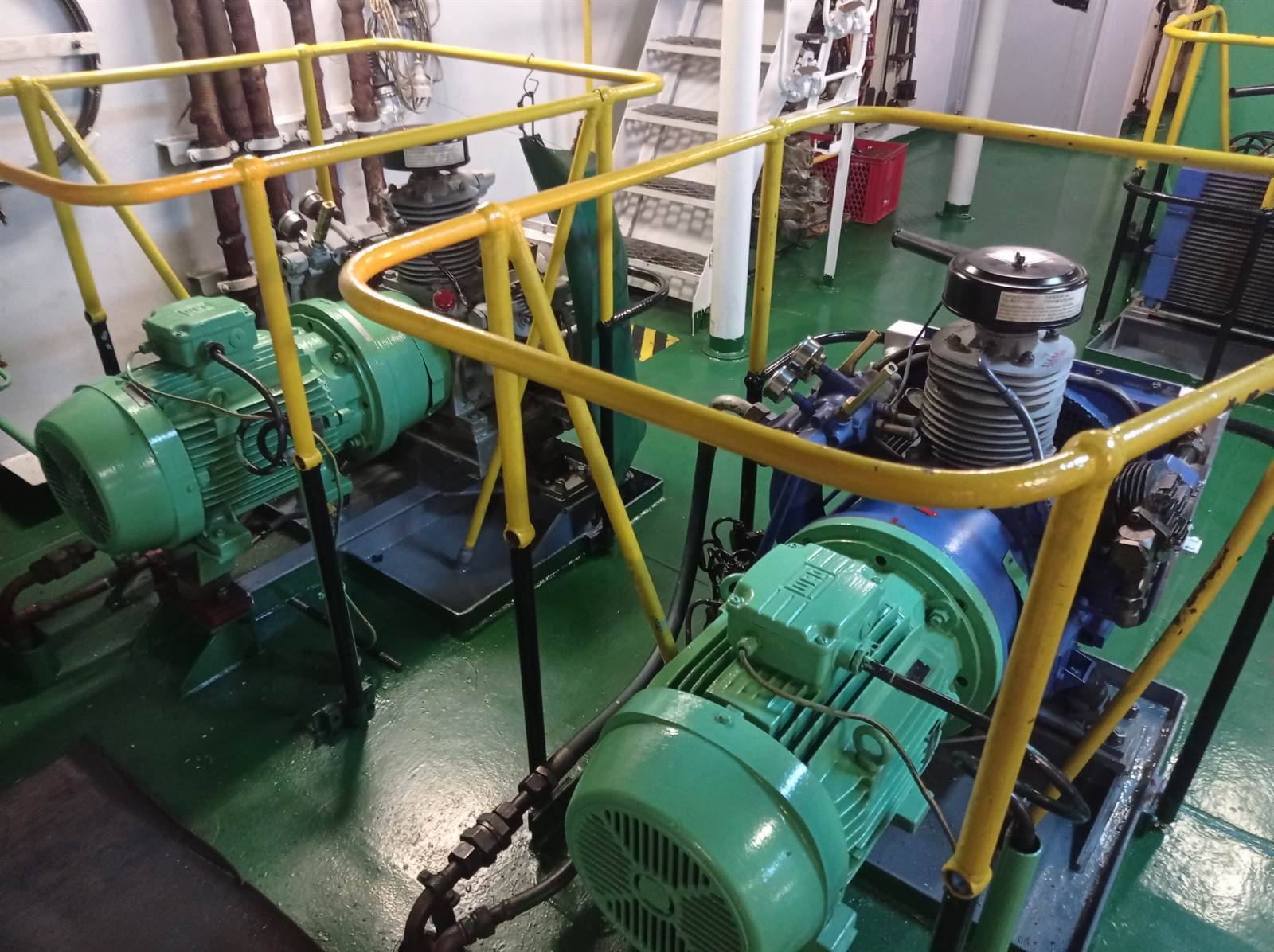
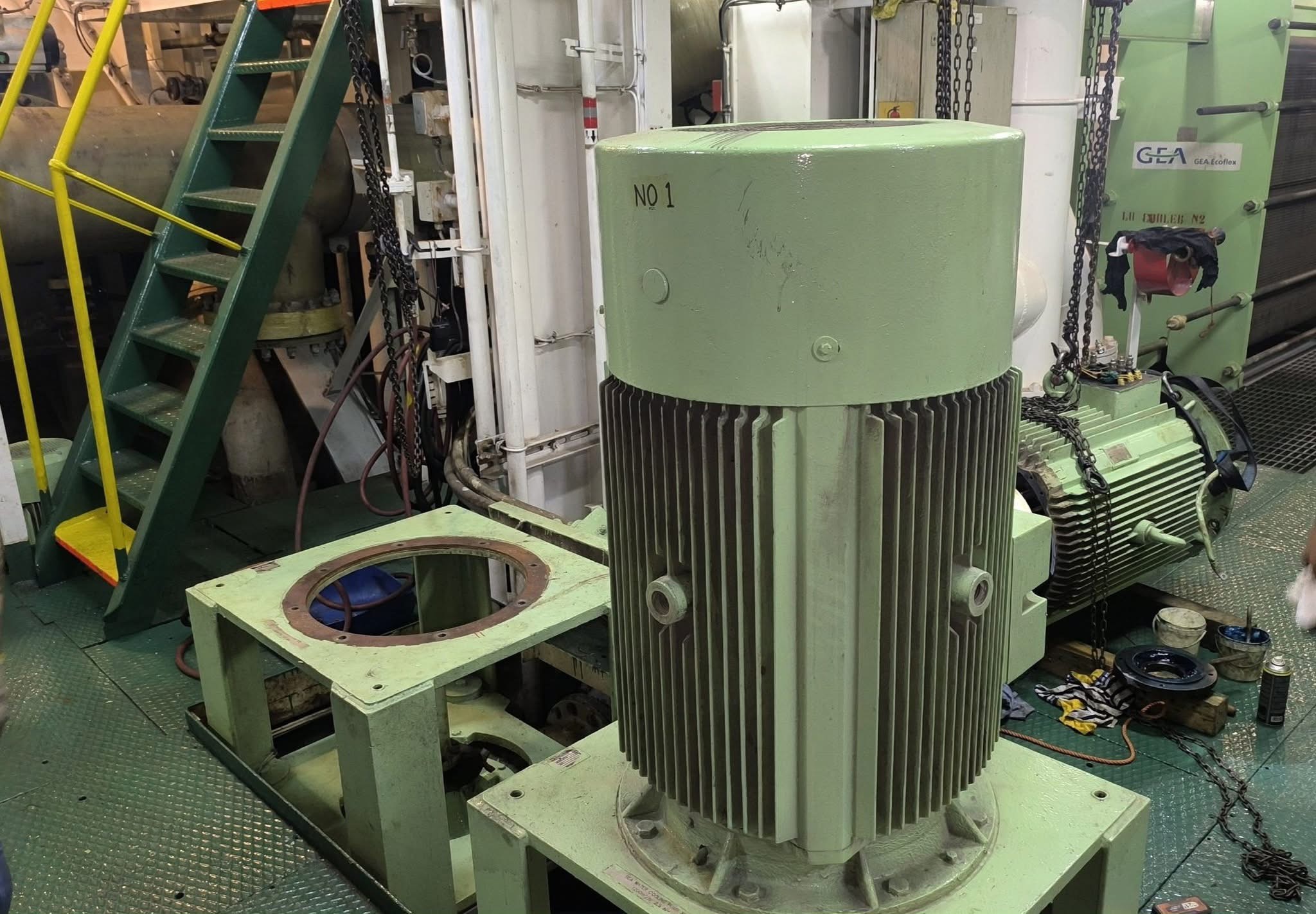
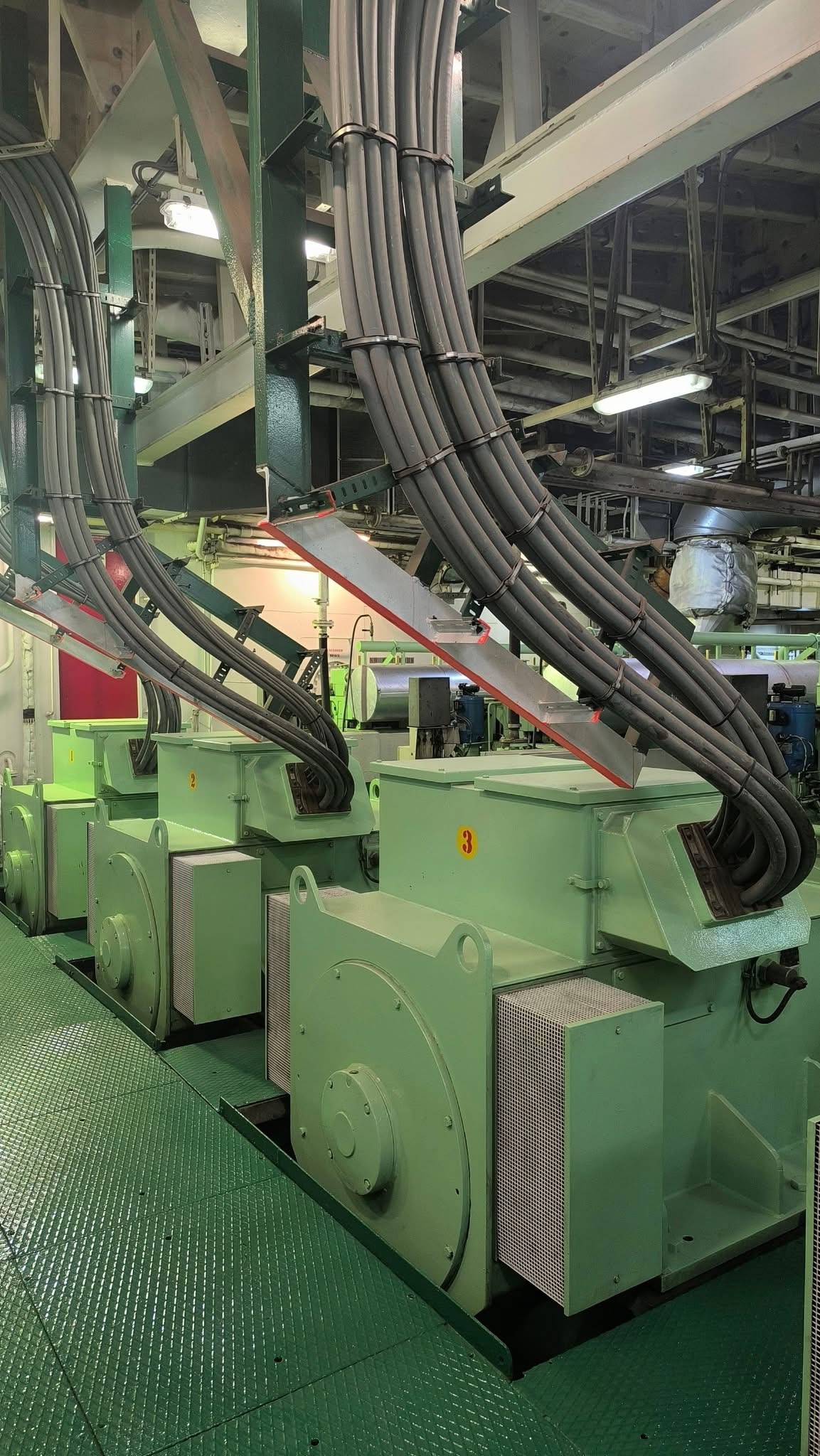
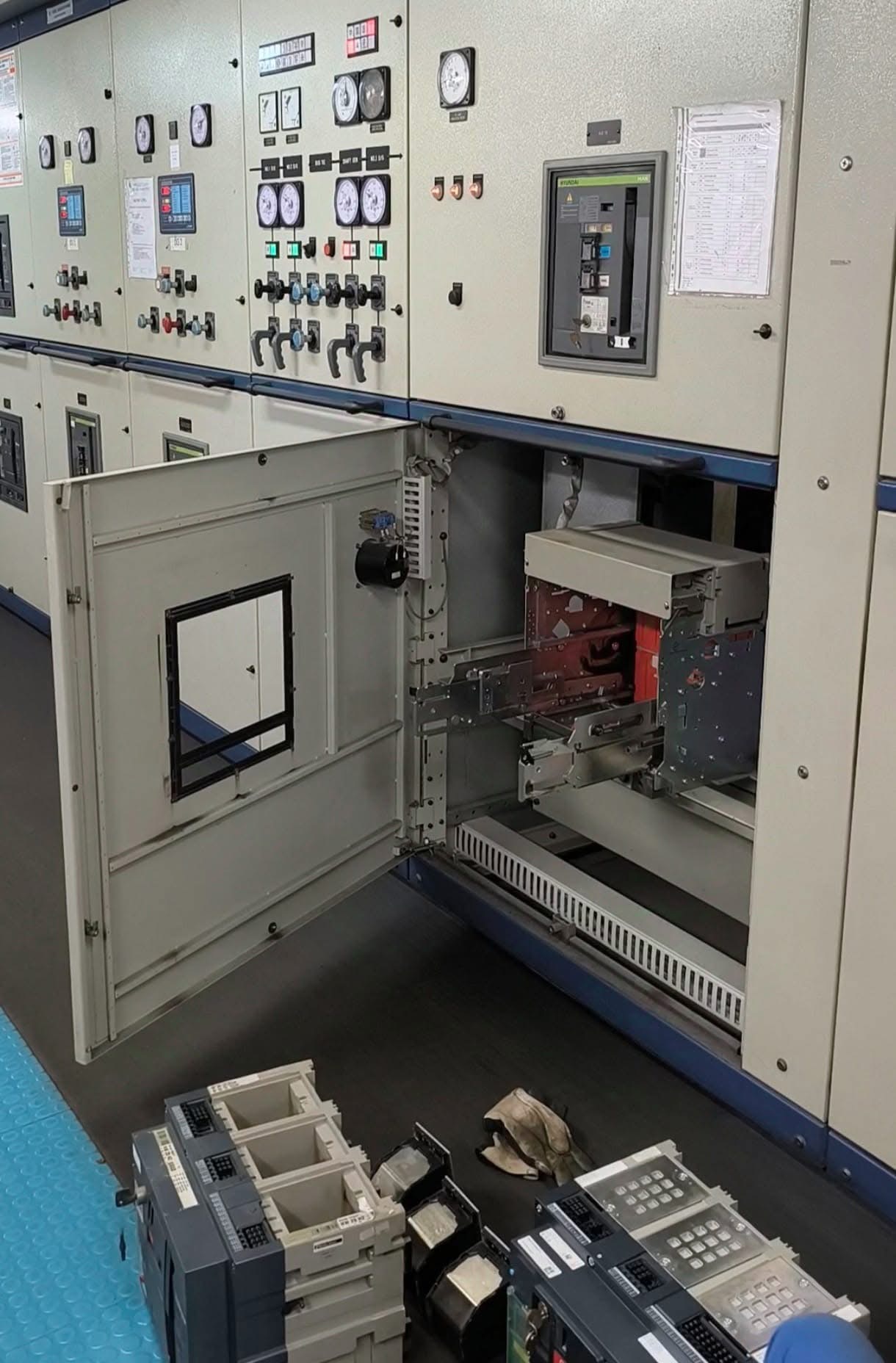
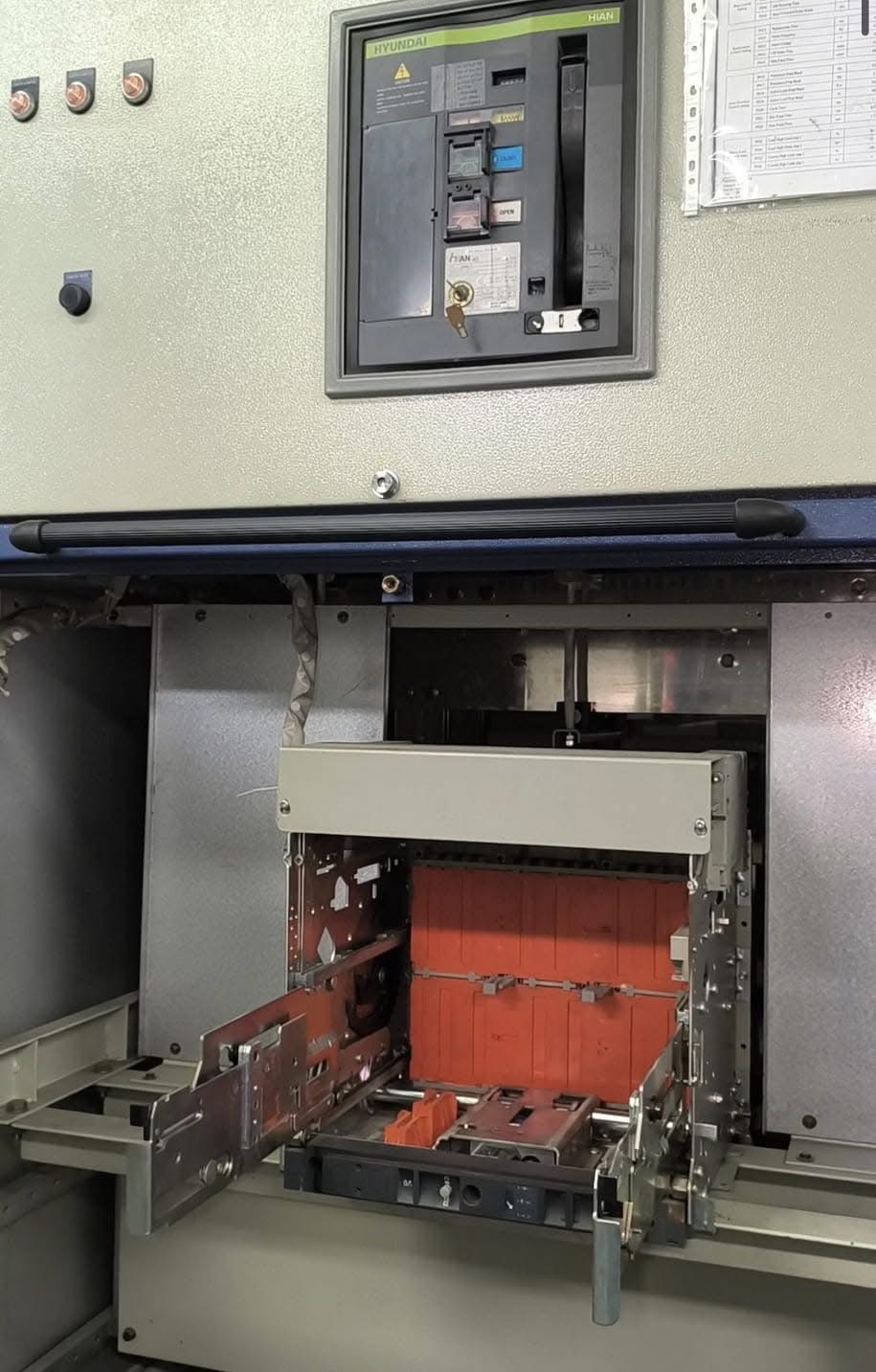
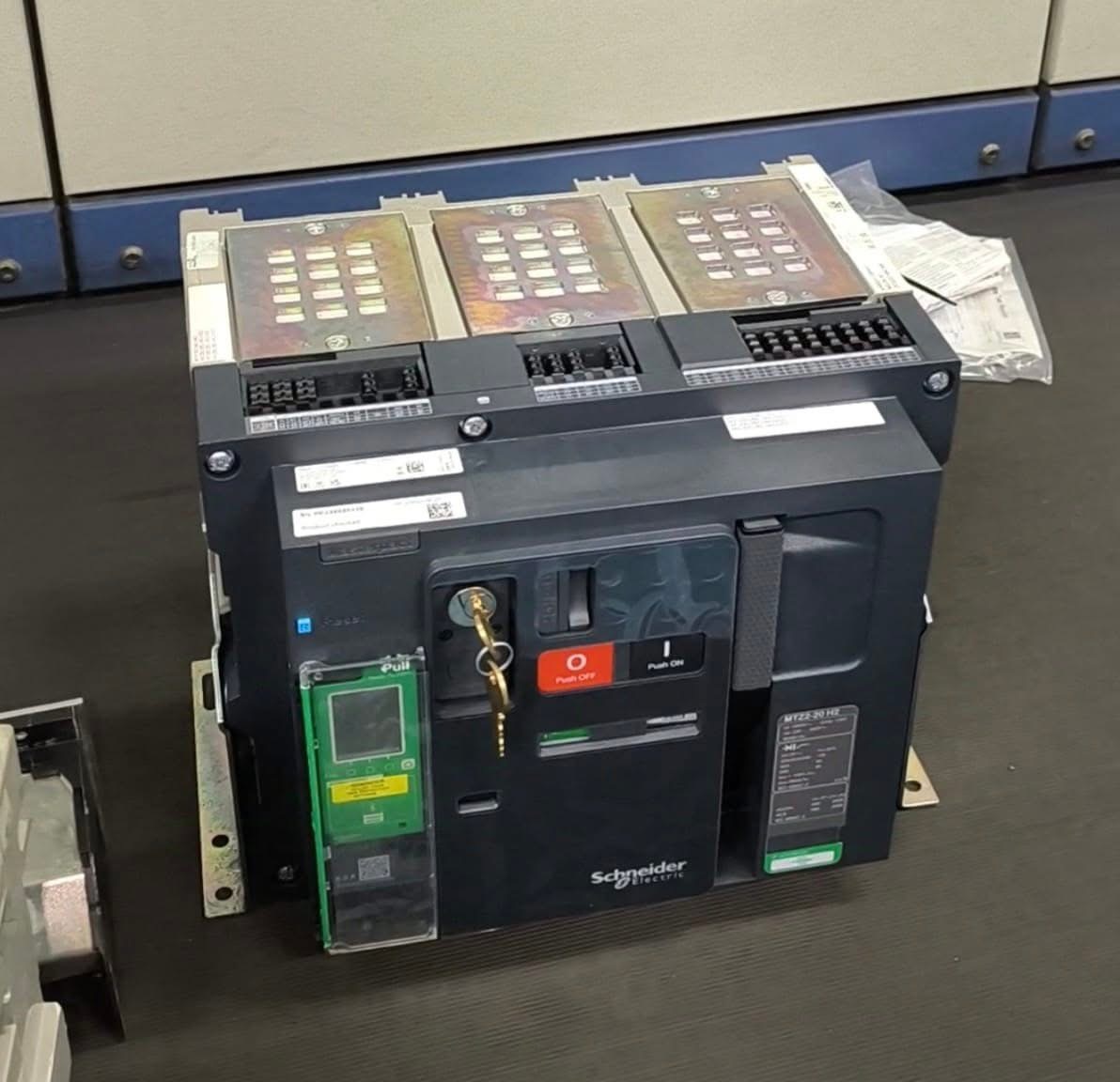
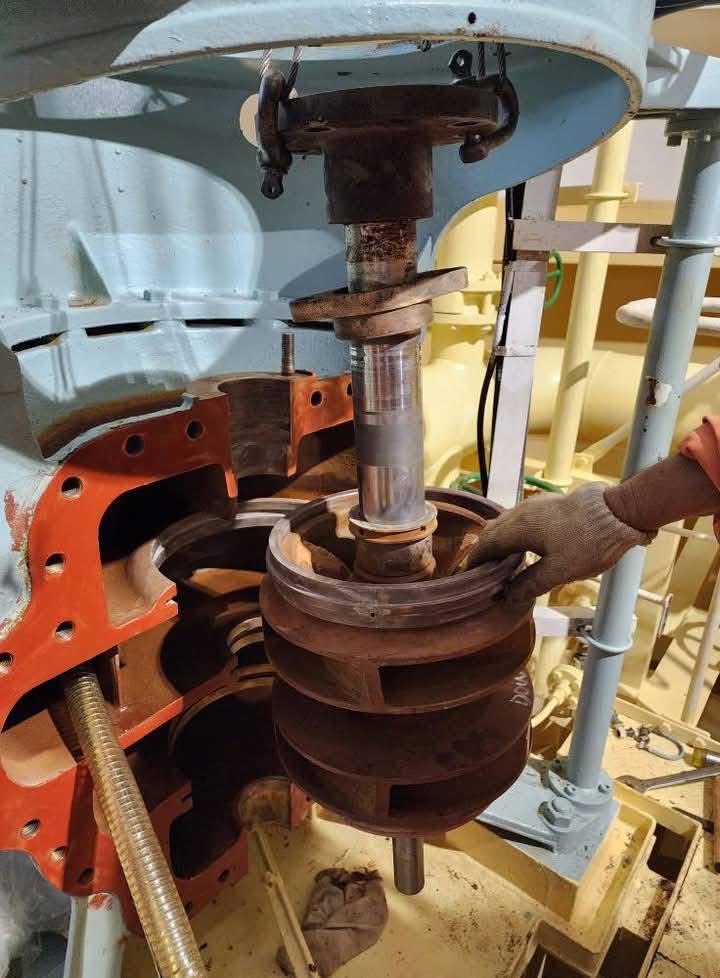
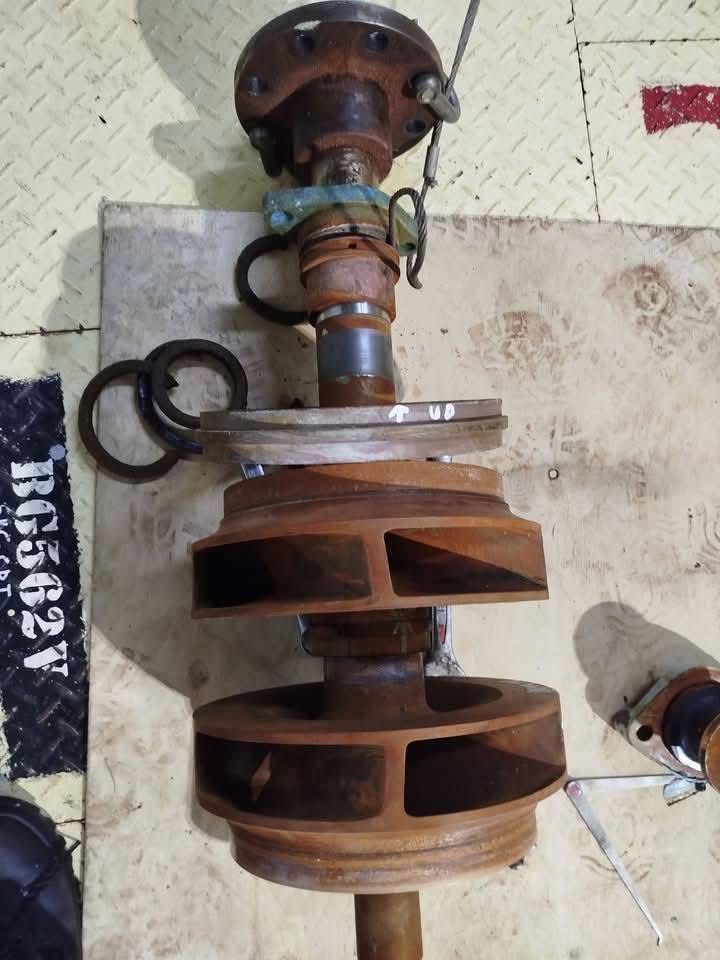
Types of Ship Repairs: Ship repairs encompass a wide range of activities, including machinery repairs, electrical motors, propulsion system repairs, and outfitting repairs. Machinery repairs focus on maintaining and fixing essential systems like engines, generators, pumps, and cooling systems. Electrical repairs involve troubleshooting and repairing electrical circuits and control panels.

  • Dry Dock and On-Site Repairs: Ship repairs can be conducted in dry docks or on-site, depending on the extent of the repairs needed. On-site repairs are carried out while the ship is afloat or at the dock, addressing smaller repairs and routine maintenance tasks that can be performed without removing the ship from the water.


  • Skilled Workforce and Expertise: Ship repairs require a skilled workforce with expertise in various disciplines, including marine engineering, electrical engineering, welding. Qualified technicians, engineers, and craftsmen work together to diagnose issues, plan repair strategies, and execute the necessary repairs with precision and efficiency. Their expertise ensures that repairs are carried out to industry standards and comply with classification society requirements and international regulations.


  • Maintenance and Preventive Repairs: Regular maintenance and preventive repairs are crucial to avoid costly breakdowns and ensure the continuous operation of a ship. Scheduled inspections, routine maintenance tasks, and the replacement of worn-out components are integral parts of ship repair services. By proactively addressing potential issues and conducting preventive repairs, ship operators can minimize the risk of unexpected failures and prolong the lifespan of their vessels.

Repairing Electric Motors: Restoring Power and Efficiency

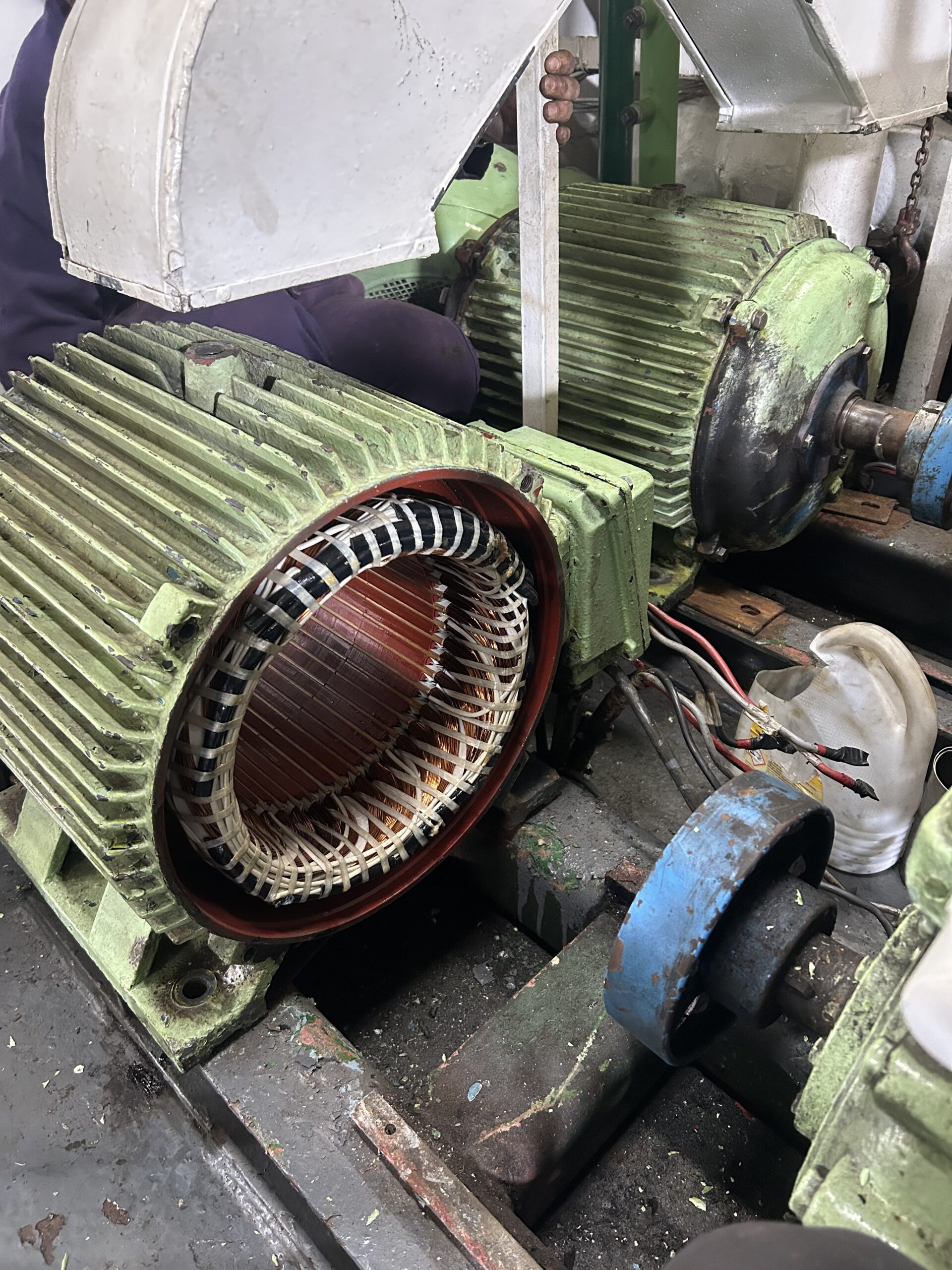
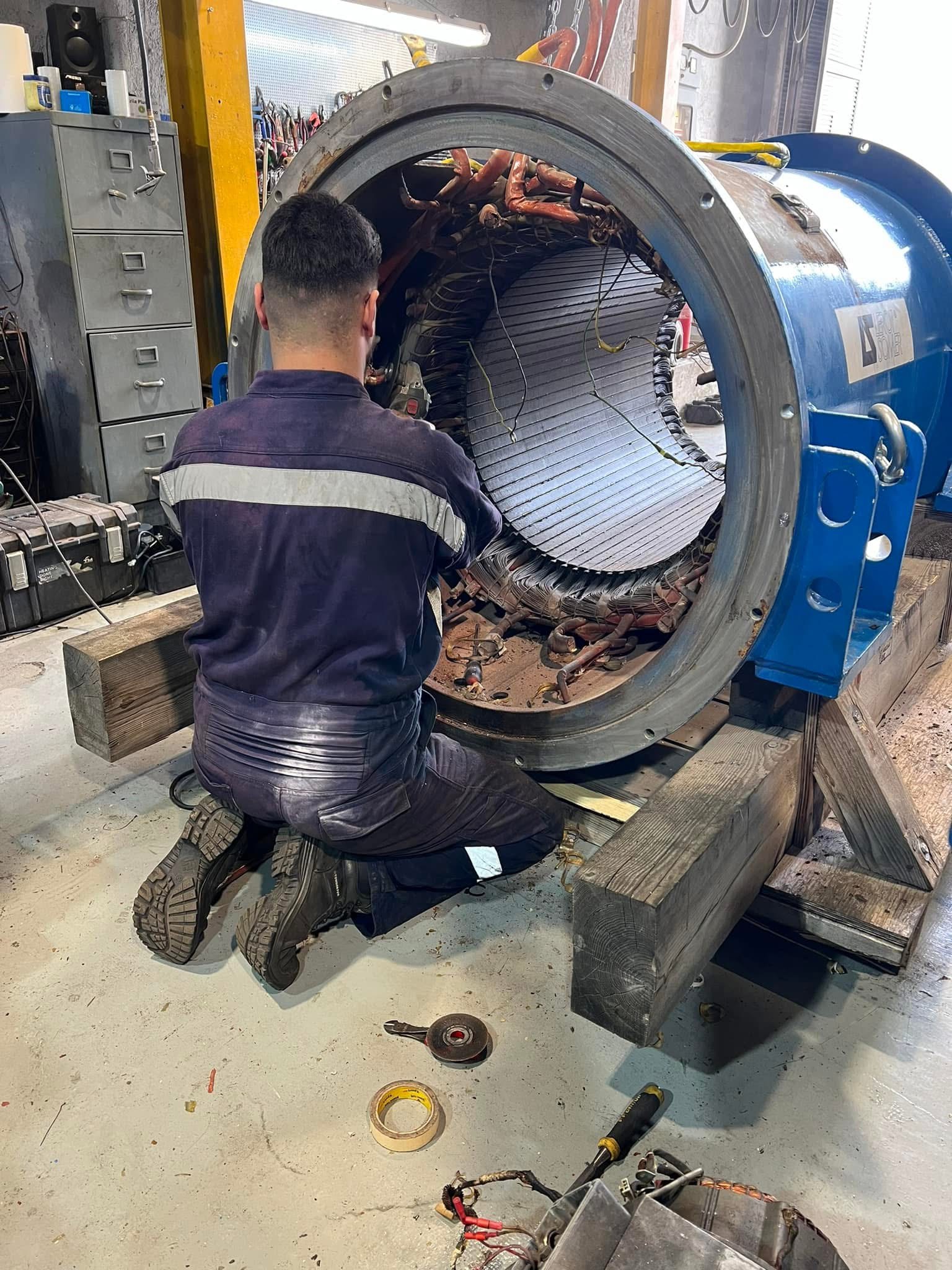
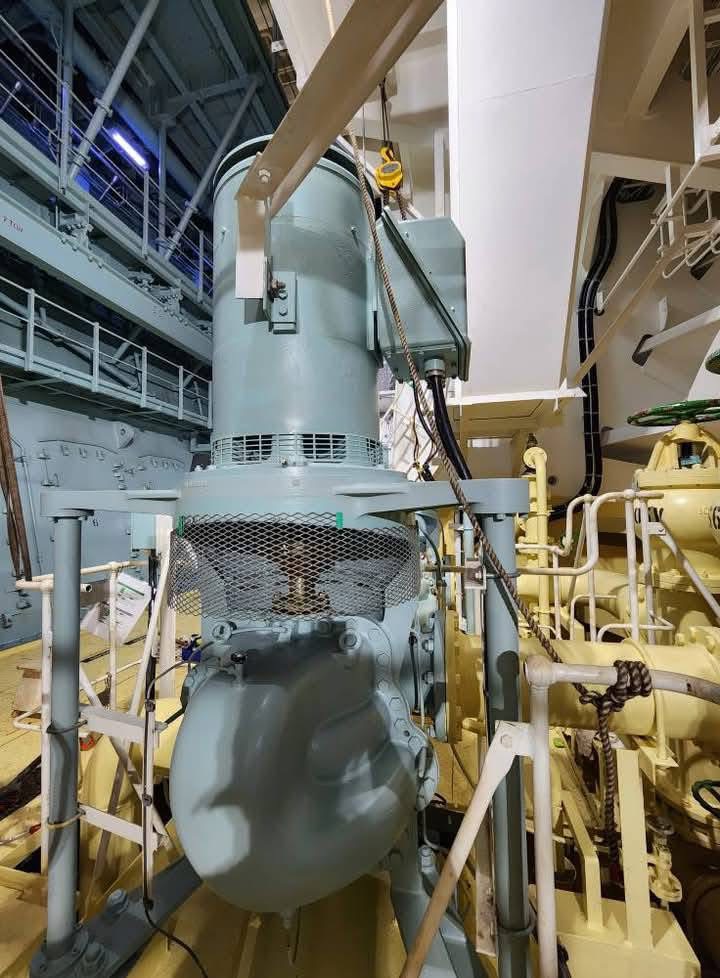
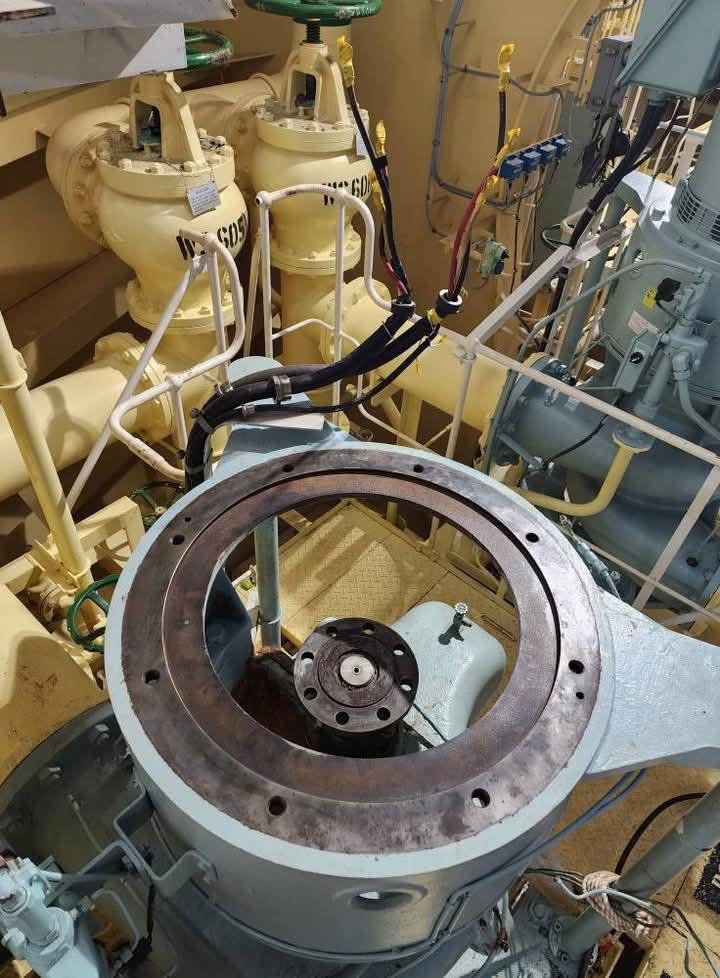
Electric motors are vital components in various ship systems, including propulsion, generators, pumps, and auxiliary machinery. Repairing electric motors requires specialized knowledge and skills to diagnose problems, dismantle components, and restore the motor’s performance. Here is some valuable information about repairing electric motors:


  • Diagnostic Expertise: Repairing electric motors begins with a thorough diagnostic process to identify the root cause of the problem. Skilled technicians use a combination of visual inspections, electrical testing, vibration analysis, and thermal imaging to pinpoint faults or malfunctions. This diagnostic expertise ensures that the repair process addresses the specific issues affecting the motor.


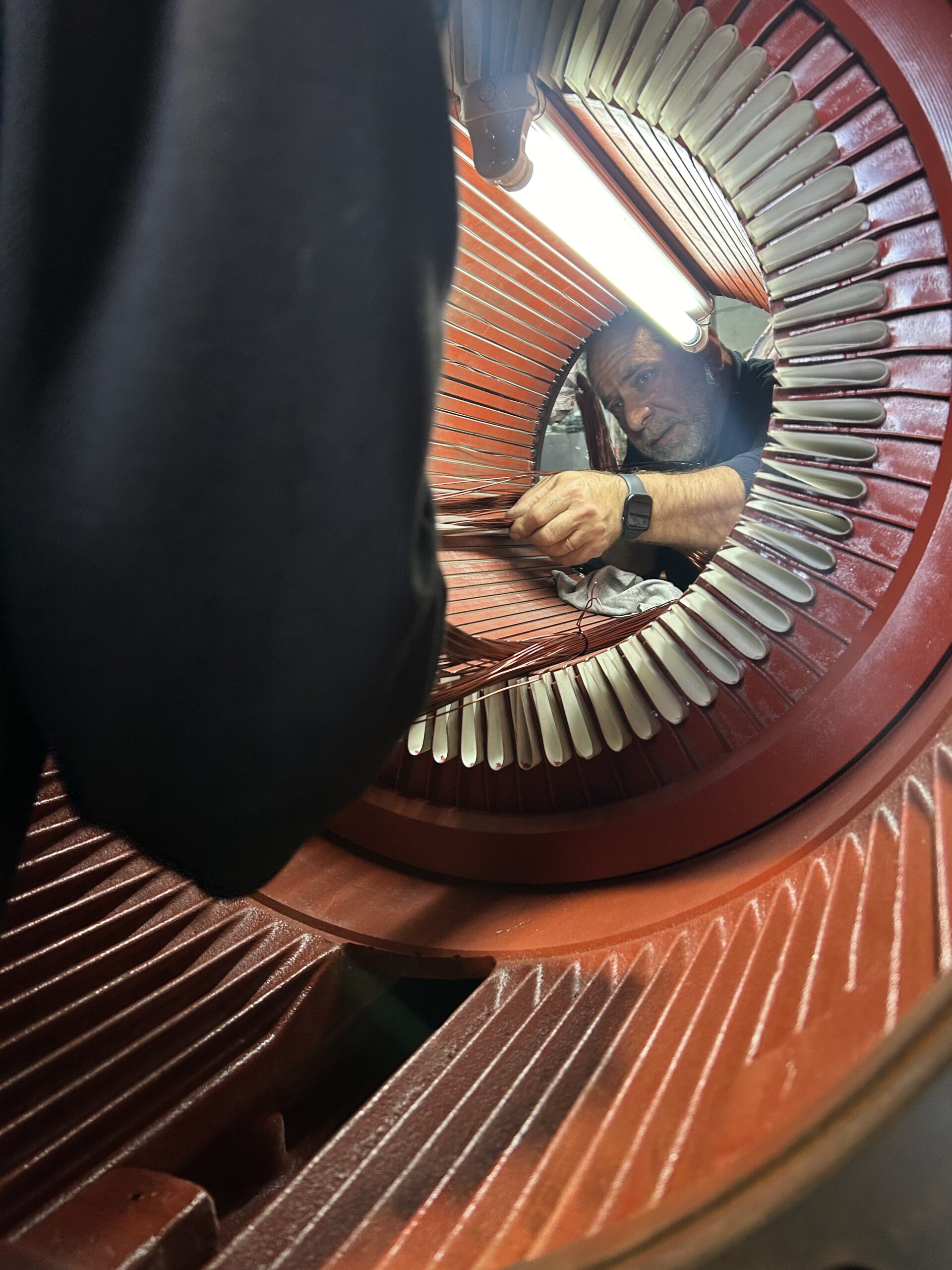
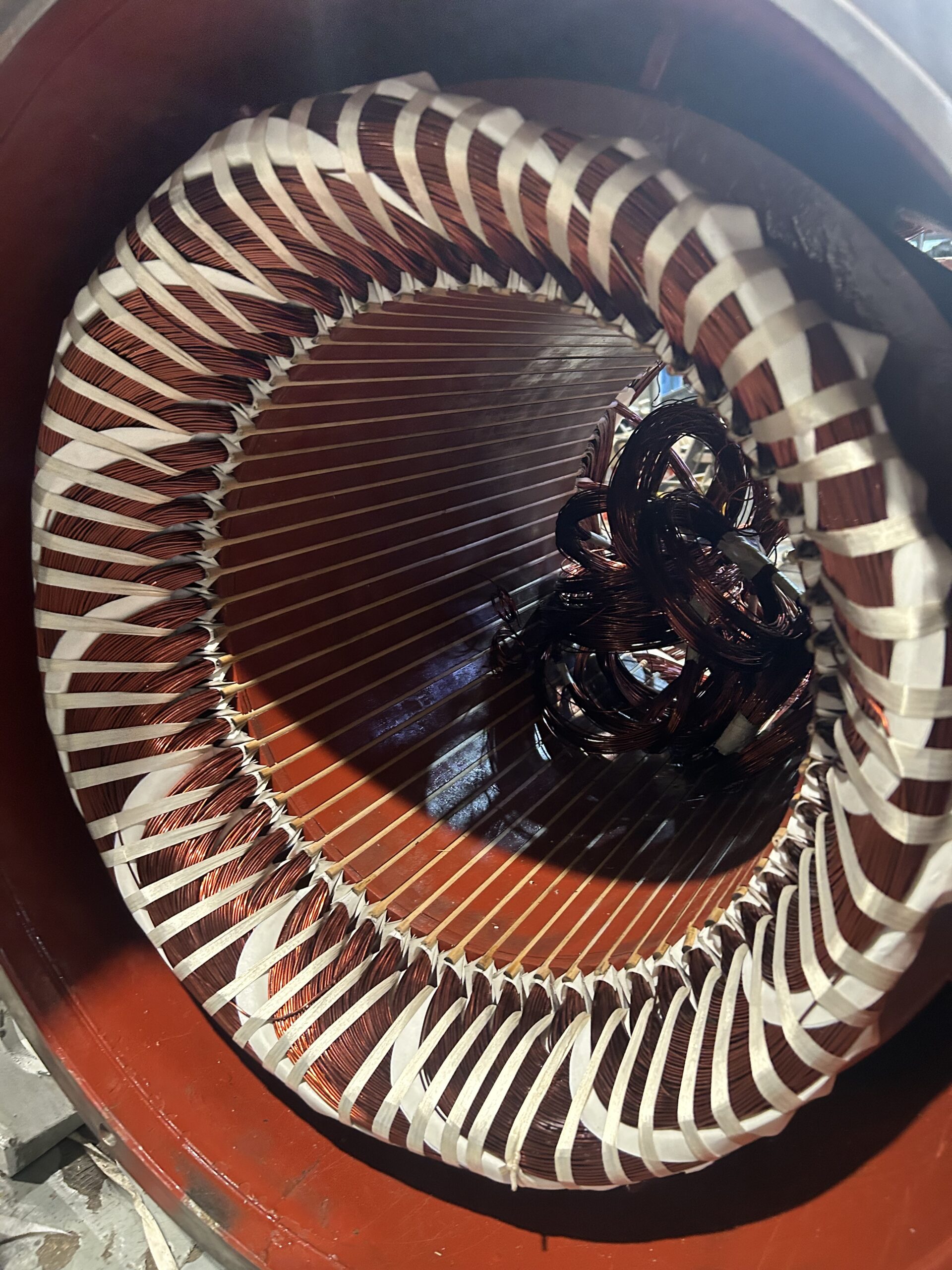
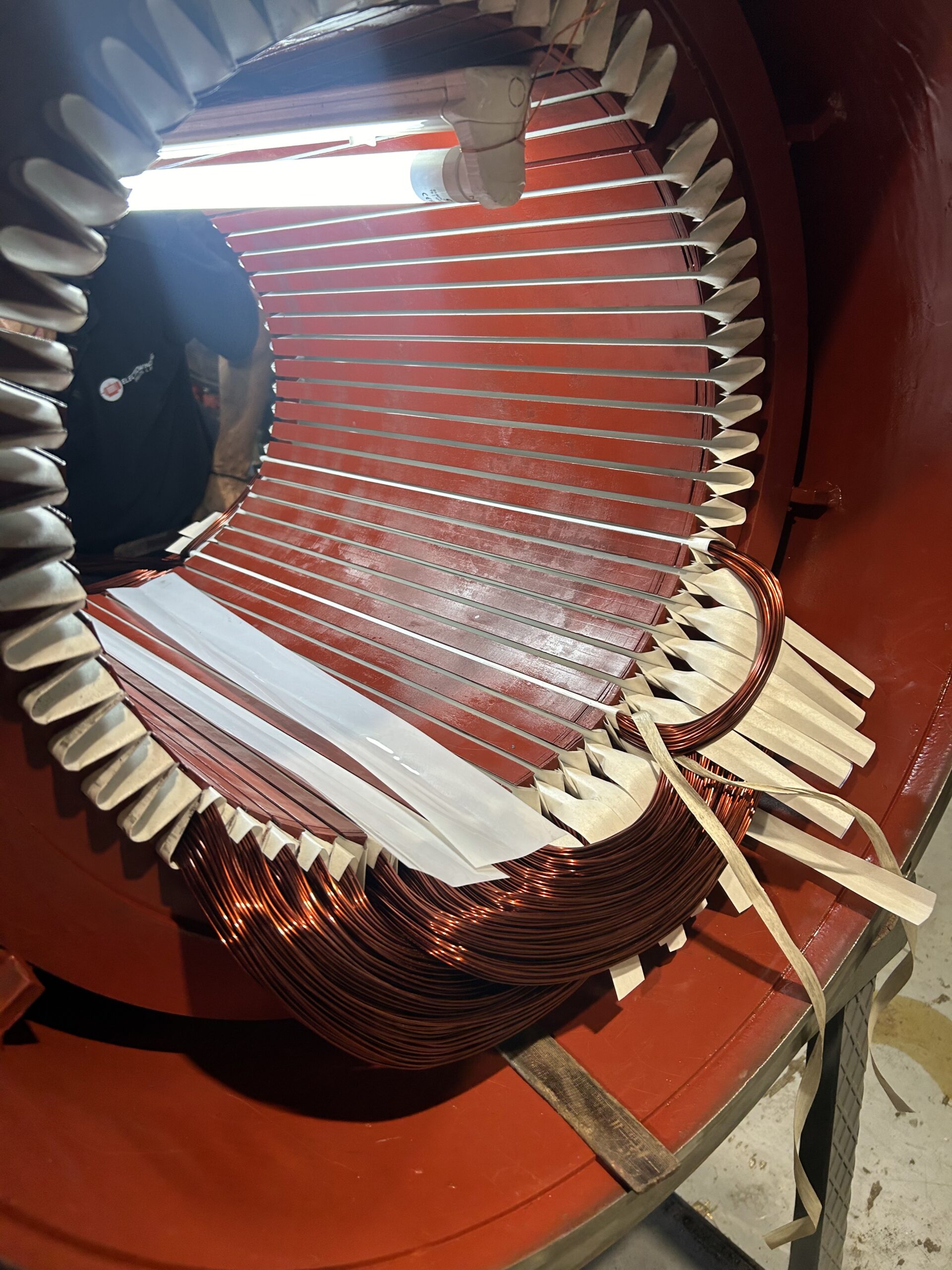
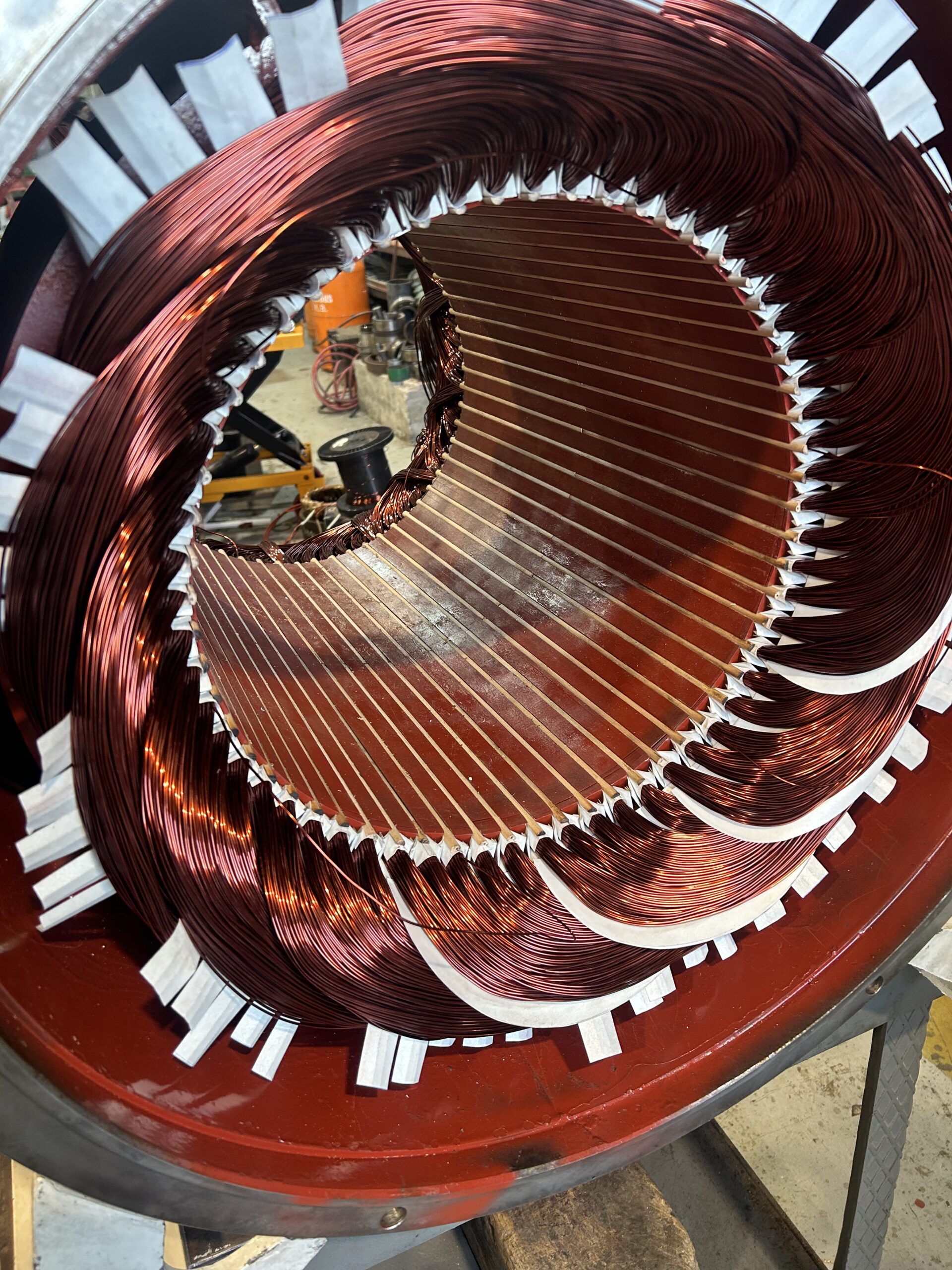
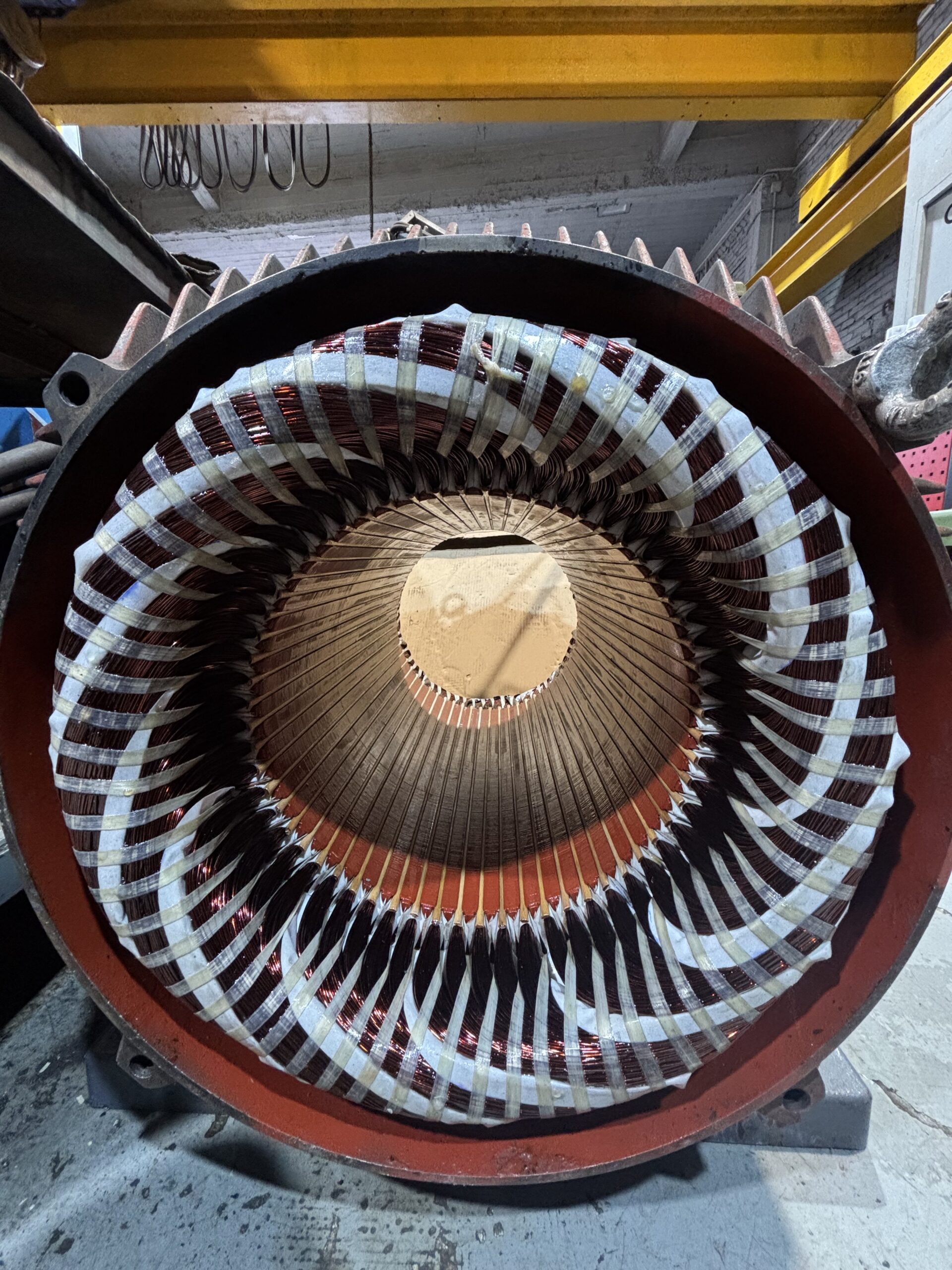
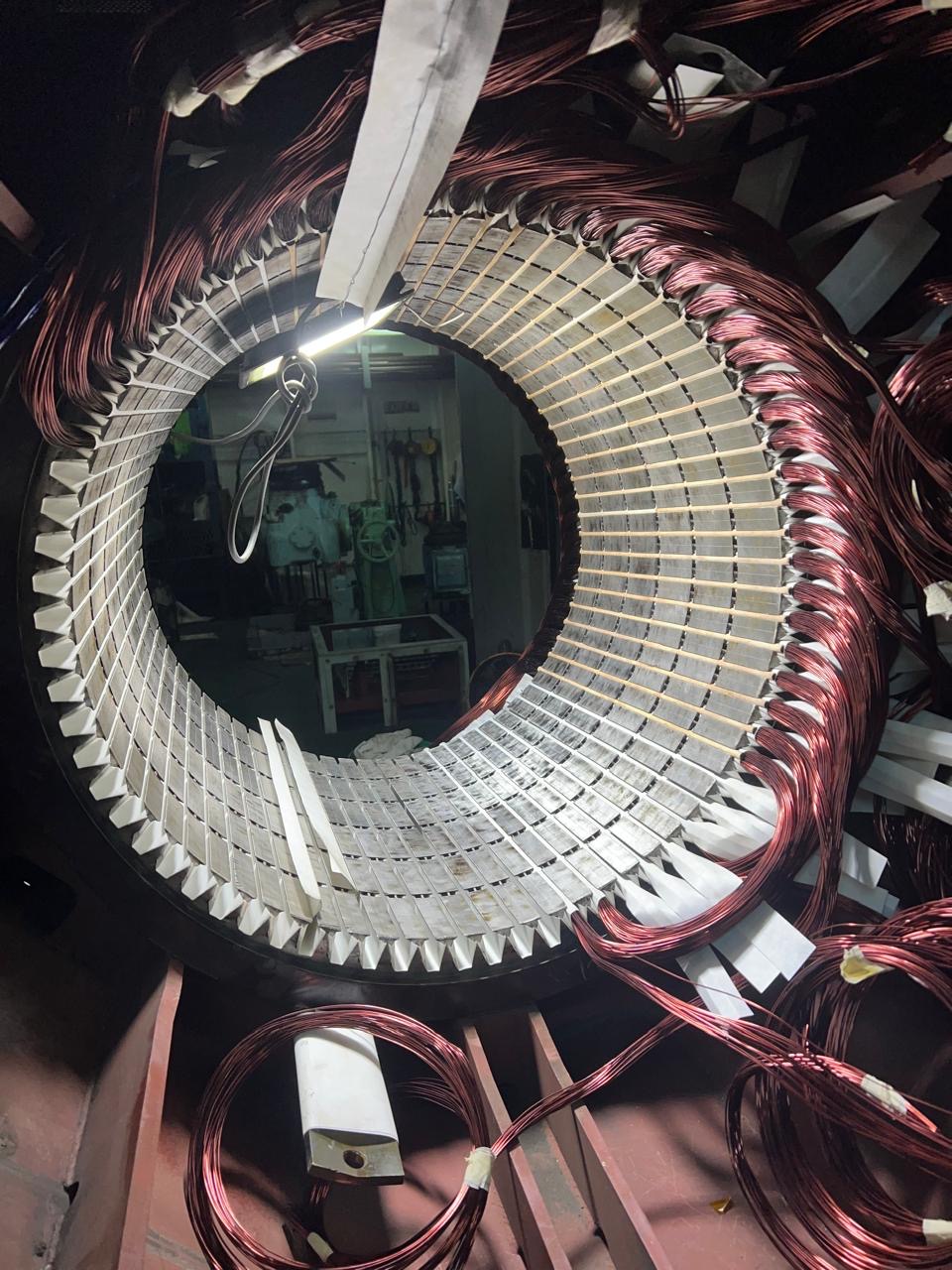
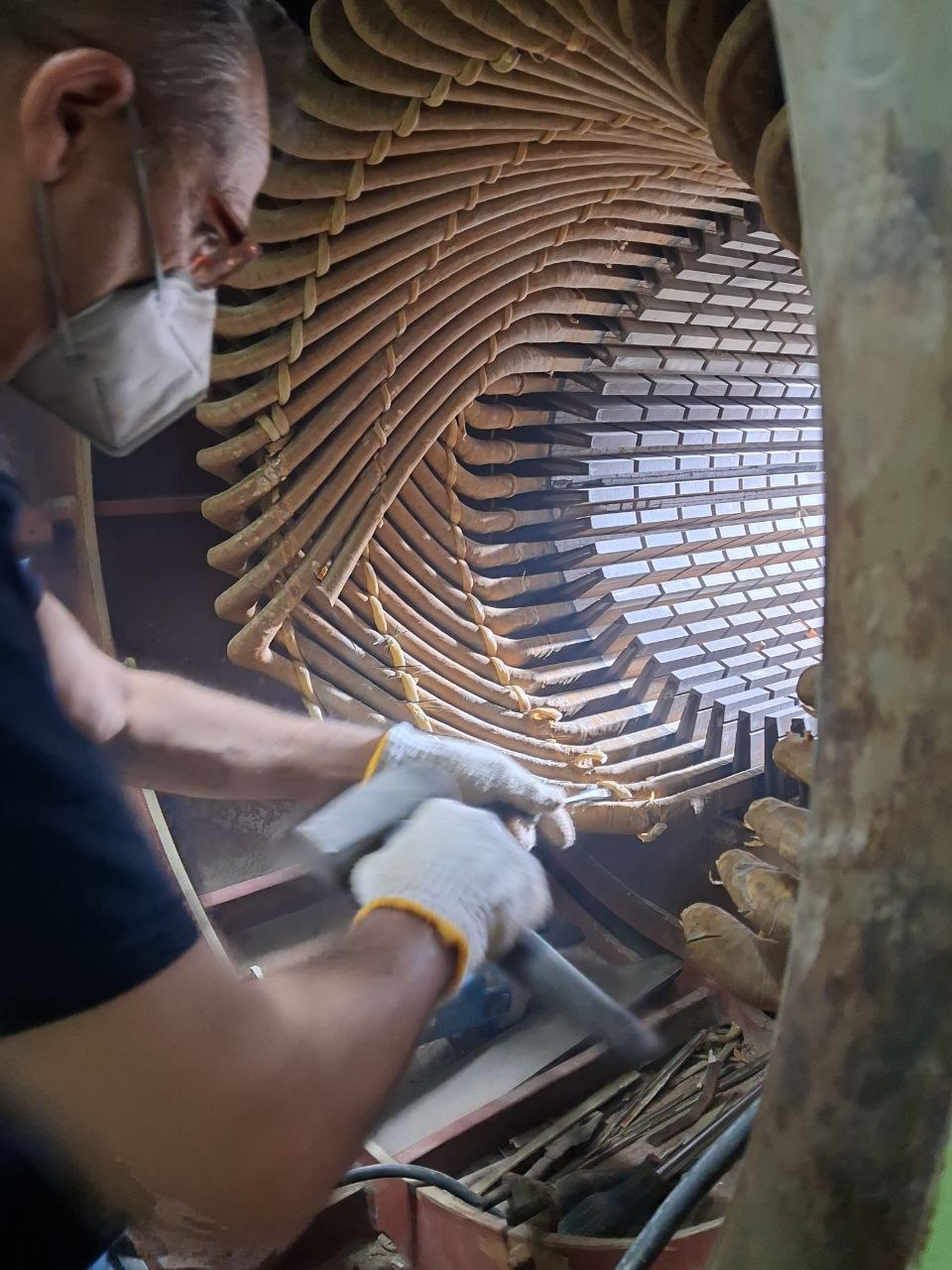
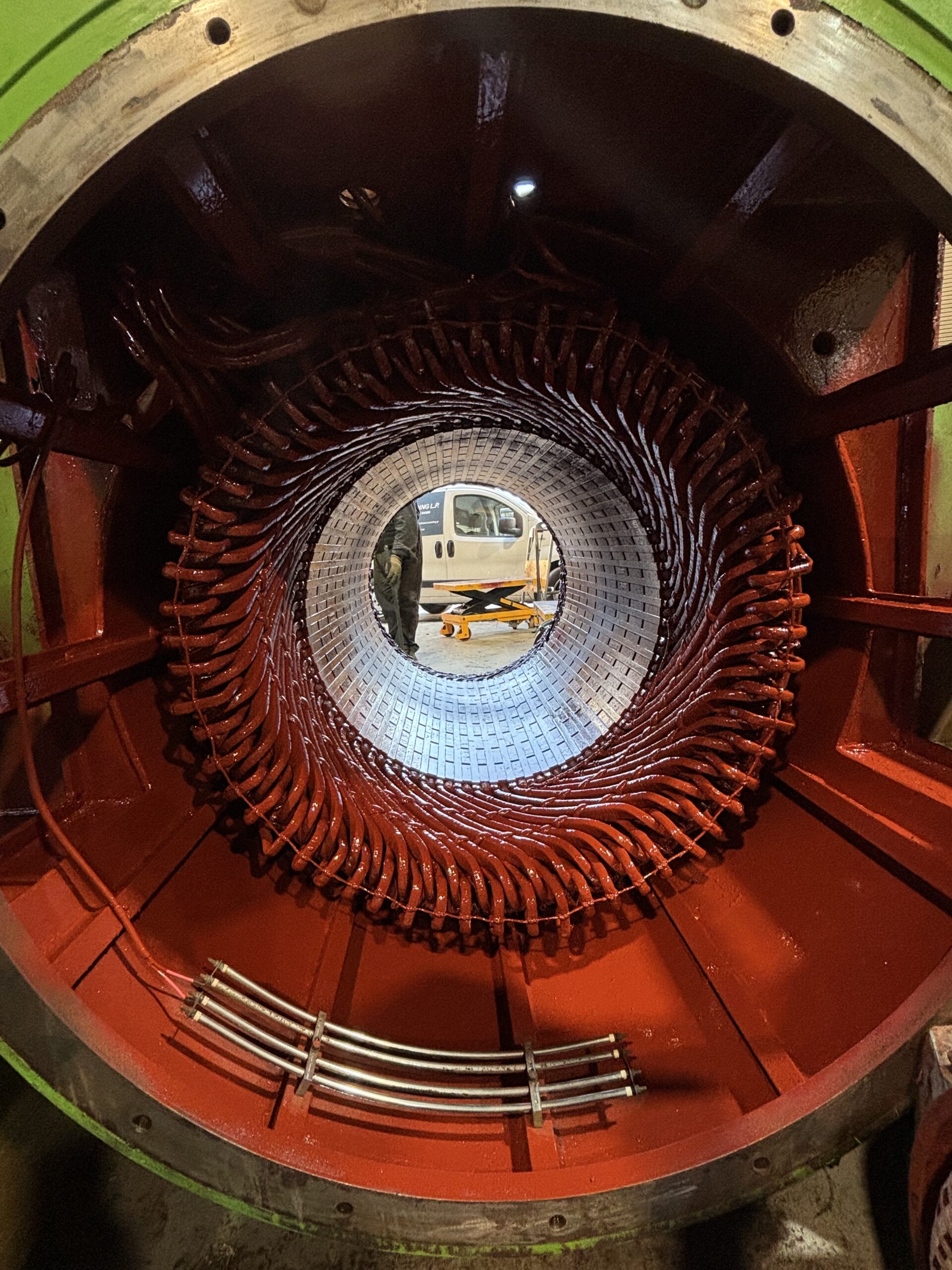
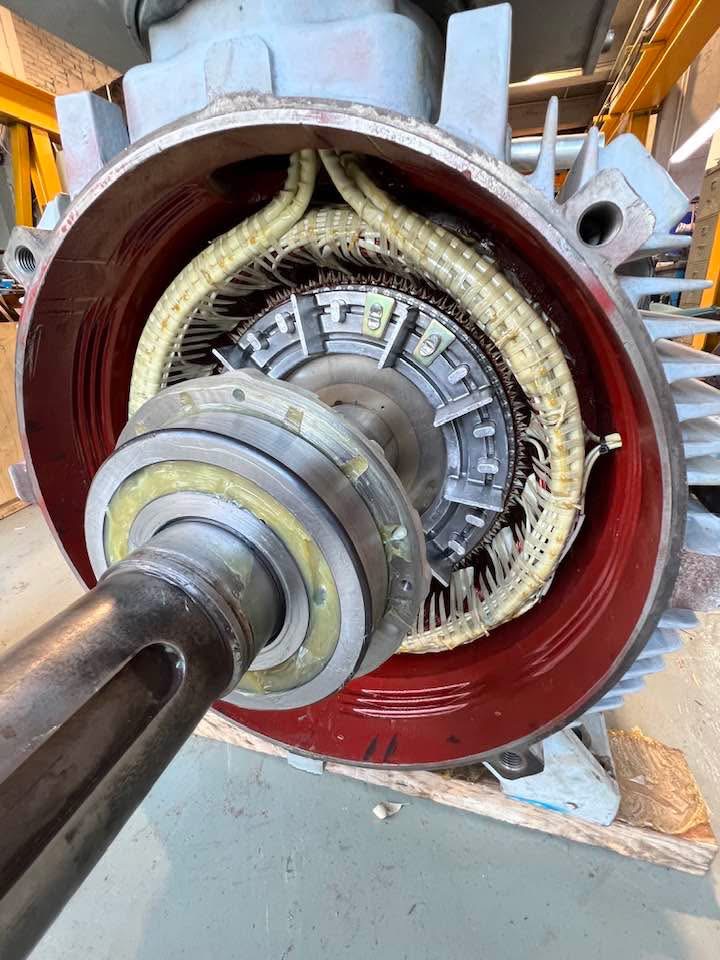
  • Rewinding and Insulation: When electric motor windings become damaged or deteriorate over time, rewinding may be necessary. Rewinding involves removing the damaged windings and rewinding new coils onto the motor’s stator or rotor. Technicians follow precise winding techniques and use high-quality insulation materials to ensure reliable electrical performance and prevent future issues.
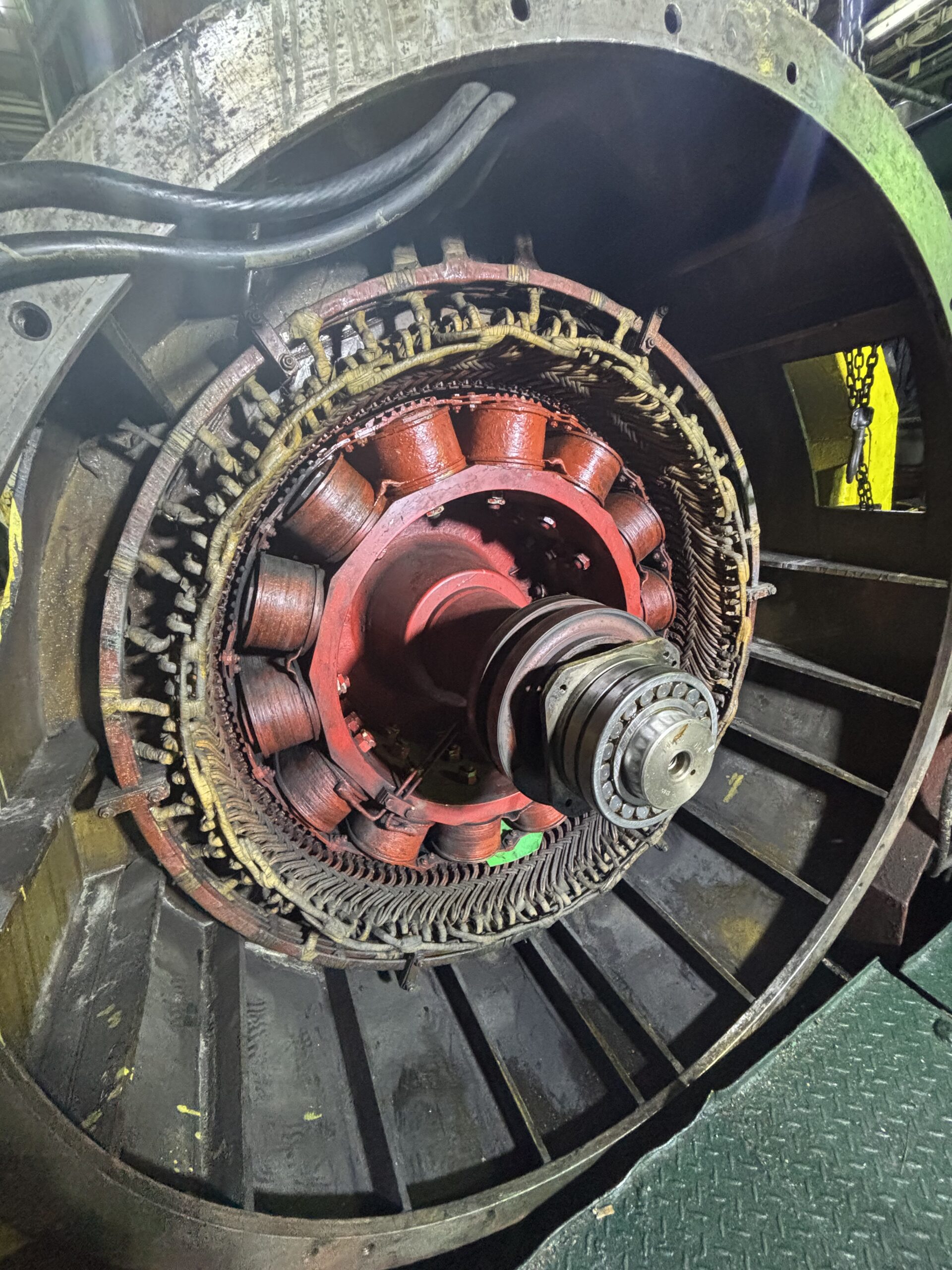
  • Bearing Replacement: Bearings in electric motors support the rotating components and can wear out due to constant use and insufficient lubrication. Technicians skilled in motor repairs can identify worn-out bearings and replace them with appropriate replacements. Proper bearing replacement reduces noise, vibration, and friction, ensuring smooth motor operation and prolonging its lifespan.


  • Alignment and Balancing: Accurate alignment and balancing of motor shafts are critical for optimal performance and reduced wear. During the repair process, technicians carefully align the motor’s shaft with connected equipment, such as pumps or fans, to ensure proper coupling and reduce stress on the motor. Balancing techniques are applied to correct any imbalances in the rotating components, reducing vibration and minimizing the risk of premature failure.


  • Testing and Quality Assurance: Before returning the repaired electric motor to service, rigorous testing is conducted to verify its performance and reliability. Tests may include electrical measurements, insulation resistance tests, temperature monitoring, and load testing. These tests ensure that the motor operates within the specified parameters and complies with industry standards.

Repairing electric motors

Ship repairs and repairing electric motors require expertise, precision, and a thorough understanding of the intricate systems involved. Trusted ship repair service providers and electric motor repair specialists possess the necessary skills and resources to deliver reliable, efficient, and cost-effective solutions that keep vessels operational and electric motors performing at their best.